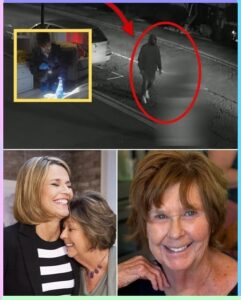
Headlines like “RECOVERED: Police have recovered 57 seconds of security camera footage from a neighbor’s house, showing the exact moment Savannah Guthrie’s mother disappeared, at the 25-second mark… Watch the video below…” are written to create instant urgency. The structure is deliberate. It signals a breakthrough (“RECOVERED”), offers precise detail (“57 seconds,” “25-second mark”), and pushes immediate action (“Watch the video below”).
But when a claim involves a real person’s family and an alleged disappearance, it’s essential to slow down and examine it carefully.
First, the specificity of “57 seconds” and “25-second mark” gives the impression of confirmed investigative detail. Numbers create credibility. They make a story feel documented and official. However, specificity alone does not equal verification. Viral posts often include exact timestamps to increase believability—even when no official source has confirmed the information.
If police had genuinely recovered critical surveillance footage tied to the disappearance of a high-profile journalist’s mother, several things would typically occur:
• A formal statement from the investigating law enforcement agency
• Coverage by established national and local news organizations
• Clear confirmation of what the footage does—and does not—show
• Careful language distinguishing facts from speculation
In active investigations, authorities are cautious about releasing video evidence. Surveillance footage can reveal sensitive details about timelines, suspects, or investigative strategy. Releasing it prematurely can compromise the case.
The phrase “showing the exact moment she disappeared” is also more dramatic than most surveillance footage actually allows. Cameras capture limited angles. They record what passes through their frame—not necessarily what happens beyond it. A person walking out of view is not the same as capturing the moment of disappearance.
A 57-second clip might show:
• Someone leaving a driveway
• A vehicle passing by
• A person walking along a sidewalk
• Nothing visibly unusual at all
The meaning of the footage often depends on context—what happened before and after, phone records, witness statements, GPS data, and other corroborating evidence.
Another important factor is the emotional weight attached to Savannah Guthrie’s name. As a well-known television personality, any story involving her family will naturally generate attention. Unfortunately, that attention can make such stories targets for exaggerated or fabricated viral content.
The instruction “Watch the video below” is a common engagement tactic. It encourages viewers to click before verifying the source. Many viral posts use emotionally charged headlines involving disappearances to drive traffic to websites filled with advertisements or unrelated content.
That doesn’t mean disappearances are not serious. They are deeply traumatic events. Families endure immense stress and uncertainty. Surveillance footage is often a key investigative tool in real cases. But real cases unfold through verified reporting—not dramatic social media captions alone.
If 57 seconds of footage had truly been recovered and publicly confirmed, credible outlets would describe:
• Where the camera was located
• The exact date and time of recording
• Whether the footage is clear or grainy
• What authorities believe it indicates
• Whether it supports or challenges existing timelines
Forensic video specialists sometimes enhance footage, but enhancement has limits. It cannot invent clarity where none exists. It may sharpen contrast or stabilize movement, but it cannot reveal details that were never captured.
The “25-second mark” mention is particularly strategic. It creates suspense. It suggests that something sudden or dramatic happens at that exact point. This framing encourages viewers to search for a shocking moment, even if the footage is ambiguous.
It’s also important to consider the ethical dimension. Sharing unverified surveillance video tied to an alleged disappearance can fuel rumors. It can lead to online speculation about innocent individuals visible in the footage. It can also deepen distress for the family involved.
Responsible consumption of such stories means asking:
• Is there confirmation from law enforcement?
• Are reputable news organizations reporting it?
• Is the video hosted on a credible platform?
• Is context provided, or just dramatic language?
In legitimate investigations, updates are communicated carefully. Officials often avoid sensational phrasing. They focus on verified facts.
If no official statement exists, caution is warranted.
The digital age makes it easy for compelling narratives to spread faster than facts. Grainy security footage feels authentic because it looks raw. But authenticity depends on source verification—not visual texture.
If you are concerned about a potential missing-person case, the most reliable information will come from official police departments or confirmed media reporting. Avoid resharing dramatic posts until they are verified.
In emotionally charged situations—especially those involving real families—the most responsible action is patience. Wait for confirmed updates. Resist the pull of urgency-based headlines.
If true developments occur, they will be reported through formal channels.
Until then, critical thinking is essential.