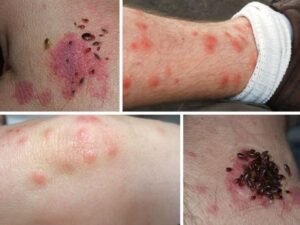
BE CAREFUL: If You Notice These Bruises on Your Body, Here’s What They Might Mean — and Why You Shouldn’t Ignore Them
Bruises are common. Most of us bump into furniture, doors, or catch an elbow we don’t remember, and a purple or yellow mark shows up days later like a quiet reminder. In most cases, bruises are harmless and fade on their own. But there are times when bruising deserves closer attention—especially when it appears frequently, unexpectedly, or in unusual patterns. In rare cases, certain types of bruising can be an early warning sign of serious underlying conditions, including some forms of cancer or blood disorders.
This doesn’t mean every bruise is dangerous. Far from it. But understanding when bruising may signal something more can help you act early, and that can make a life-saving difference.
What Causes Normal Bruising?
A bruise happens when small blood vessels (capillaries) under the skin break and leak blood into surrounding tissue. This usually occurs after trauma—even minor trauma you may not remember. As your body reabsorbs the blood, the bruise changes color from purple or blue to green, yellow, and finally fades away.
Normal bruises usually:
- Have a clear cause (a bump or hit)
- Appear in predictable places (arms, legs, hips)
- Heal within 1–3 weeks
- Become lighter over time
When bruises don’t follow these rules, that’s when caution matters.
Unexplained Bruising: A Red Flag
One of the most concerning signs is bruising that appears without any known injury. If you start noticing large or frequent bruises and honestly can’t recall bumping into anything, your body may be trying to signal a deeper issue.
Unexplained bruising can be linked to:
- Blood clotting disorders
- Vitamin deficiencies (especially vitamin C, B12, or K)
- Liver disease
- Certain medications (like blood thinners or steroids)
- Bone marrow or blood cancers, such as leukemia
In blood-related cancers, the body may not produce enough healthy platelets—cells that help blood clot. When platelets are low, bruising can occur easily and often.
Bruises That Are Large, Painful, or Increasing
Pay attention if bruises are:
- Unusually large
- Painful without reason
- Growing instead of shrinking
- Appearing in clusters
These characteristics can sometimes indicate abnormal bleeding under the skin. In rare cases, this may be associated with conditions that affect blood cell production or circulation.
Bruising in Unusual Locations
Bruises commonly appear on arms and legs. But bruising in less typical areas should raise concern, especially if it happens repeatedly.
Watch for bruises on:
- The abdomen or back
- The face or neck
- Behind the ears
- Inside the mouth or on the gums
When bruising appears in these areas without trauma, it may suggest an internal issue rather than an external injury.
Tiny Red or Purple Dots: Petechiae
Sometimes what looks like a rash is actually tiny bruises called petechiae. These appear as small red, purple, or brown dots that don’t fade when pressed.
Petechiae can be linked to:
- Infections
- Autoimmune disorders
- Low platelet counts
- Certain blood cancers
They often appear on the legs, arms, or inside the mouth and should never be ignored if they appear suddenly or spread.
Bruising Alongside Other Symptoms
Bruising becomes more concerning when it occurs together with other unexplained symptoms, such as:
- Persistent fatigue
- Frequent infections
- Shortness of breath
- Unexplained weight loss
- Night sweats
- Pale skin
- Frequent nosebleeds or bleeding gums
This combination of symptoms may suggest a systemic issue affecting blood or immune function.
Why Cancer Can Cause Bruising
Some cancers—particularly leukemia, lymphoma, and multiple myeloma—affect the bone marrow, where blood cells are made. When cancer interferes with this process, the body may lack:
- Platelets (causing easy bruising and bleeding)
- Red blood cells (leading to fatigue and weakness)
- White blood cells (increasing infection risk)
Bruising in these cases is not the disease itself, but a visible clue that something deeper may be wrong.
When to See a Doctor Immediately
You should seek medical advice if:
- Bruises appear frequently or suddenly without injury
- Bruises are large, painful, or slow to heal
- You notice petechiae
- Bruising is accompanied by bleeding, fatigue, or weight loss
- You feel something “isn’t right” with your body
Doctors can perform simple blood tests to check platelet levels, clotting function, and other markers that help rule out serious conditions—or catch them early.
A Final, Important Reminder
Seeing this information can feel scary—but it’s crucial to remember: most bruises are not cancer. Stress, aging skin, exercise, medications, and minor injuries account for the vast majority of cases.
The key takeaway isn’t panic—it’s awareness.
Your body communicates through signs and symptoms every day. Bruising is one of those signals. When it changes from “normal” to “unusual,” paying attention and getting checked can protect your health and give you peace of mind.
If something feels off, trust that instinct. Early attention saves lives.