Hidden Dangers in Your Mouth: Early Signs of Oral Cancer You Should Never Ignore
Your mouth is easy to overlook when it comes to health. We focus on teeth, breath, maybe gums—but rarely do we think about what subtle changes inside the mouth might be trying to tell us. That’s what makes oral cancer especially dangerous: in its early stages, it often whispers instead of shouting. By the time symptoms feel serious, the disease may already be advanced.
Oral cancer can affect the lips, tongue, cheeks, gums, floor of the mouth, roof of the mouth, and throat. While it’s often associated with smoking or heavy alcohol use, it can affect people who’ve never touched either. Early detection dramatically improves outcomes, which is why recognizing the warning signs matters far more than most people realize.
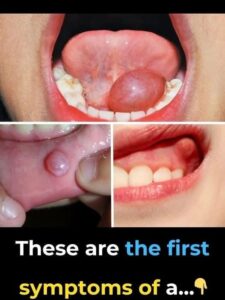
One of the most common early signs is a sore that doesn’t heal. Everyone bites their cheek or burns their tongue occasionally. Normally, these injuries heal within a week or two. If you notice a sore, ulcer, or raw patch that lingers beyond two weeks—especially if it isn’t improving—that’s a red flag. Persistent doesn’t mean painful; many early cancerous lesions cause little to no discomfort.
Another sign people often dismiss is unusual patches inside the mouth. These may appear white, red, or a mix of both. White patches (leukoplakia) or red patches (erythroplakia) can develop for various reasons, but when they appear without a clear cause and don’t go away, they deserve attention. Red patches, in particular, are more likely to be associated with serious changes.
Lumps, thickening, or rough areas inside the mouth or along the lips can also signal trouble. These may feel like hardened spots under the skin or tissue that feels different from the surrounding area. Because they’re often painless, people tend to ignore them—assuming they’re harmless or temporary.
Changes in the tongue are especially important to watch. Persistent pain, numbness, difficulty moving the tongue, or a feeling that something is “off” can all be early indicators. Some people notice their tongue feels stiff, swollen, or oddly textured without an obvious explanation.
Another overlooked symptom is unexplained bleeding in the mouth. Gums can bleed from brushing too hard or gum disease, but bleeding that occurs repeatedly without a clear cause should not be brushed off. The same goes for persistent bad breath or a bad taste that doesn’t improve with oral hygiene.
As oral cancer progresses, it may begin to affect basic functions. Difficulty chewing, swallowing, or speaking, or the sensation that something is stuck in the throat, can appear. These symptoms often get attributed to acid reflux, allergies, or stress, delaying evaluation.
Jaw stiffness or pain, changes in how dentures fit, or difficulty opening the mouth fully can also be early warning signs. Because these symptoms overlap with common dental or joint issues, people may not connect them to something more serious.
Swelling in the neck or jaw, especially enlarged lymph nodes that don’t go down, can indicate the body responding to abnormal cells. A painless lump in the neck is one of the more serious signs and should never be ignored.
So why do so many cases go unnoticed early?
Part of the problem is familiarity. We live with our mouths every day, so gradual changes don’t always stand out. Another issue is fear—people avoid checking because they’re afraid of what they might find. And finally, many assume oral cancer only affects older adults or those with known risk factors. That assumption is wrong.
Risk factors do increase likelihood—tobacco use, excessive alcohol consumption, prolonged sun exposure (for lip cancer), HPV infection, and a weakened immune system—but absence of risk does not equal immunity.
Dentists are often the first professionals to spot early signs because they routinely examine areas most people never look at closely. That’s one reason regular dental checkups are about more than cavities. But self-awareness still matters. Looking inside your mouth once in a while—checking your tongue, cheeks, gums, and lips—can help you notice changes early.
It’s important to be clear: noticing a symptom does not mean you have cancer. Many conditions mimic these signs, from infections to autoimmune disorders. The danger lies in ignoring persistent changes, not in noticing them.
Early-stage oral cancer is often highly treatable. Treatment may be less invasive, recovery easier, and long-term outcomes significantly better. Delayed diagnosis, on the other hand, can lead to more aggressive treatment and lower survival rates.
The mouth is not separate from the rest of the body. It’s a frontline indicator of health, constantly exposed to environmental factors and internal changes. When something feels wrong for too long, it’s not being dramatic to get it checked—it’s being responsible.
The takeaway isn’t fear. It’s awareness. Pay attention to what lingers, not what passes. Trust patterns over isolated moments. And remember: your body often signals trouble quietly long before it demands attention loudly.
Listening early can make all the difference.