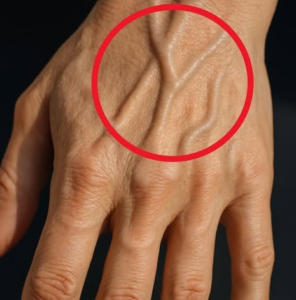
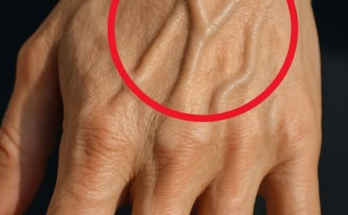
If You Have Visible Veins, It Means You Are… Here’s What It Actually Says About Your Body
Visible veins are something many people notice about themselves at some point — on the hands, arms, legs, chest, or even the temples. For some, prominent veins are a source of pride; for others, they raise questions or concerns. Social media headlines often exaggerate what visible veins “mean,” sometimes linking them to strength, health, aging, or even hidden medical conditions.
So what does it really mean if your veins are easy to see?
The truth is far more nuanced — and far less dramatic — than most viral claims suggest.
Understanding Why Veins Become Visible
Veins are responsible for carrying blood back to the heart. Everyone has them, but not everyone can see them clearly through the skin. Whether veins appear prominent depends on a combination of biology, lifestyle, and temporary conditions.
Visible veins are not automatically good or bad. In most cases, they are completely normal.
1. You May Have Low Body Fat
One of the most common reasons veins become visible is lower subcutaneous fat (the layer of fat beneath the skin).
Fat acts as a cushion that hides veins. When that layer is thinner — whether due to genetics, exercise, or weight loss — veins are closer to the surface and easier to see.
This is why:
- Athletes and bodybuilders often have visible veins
- Lean individuals tend to show veins more easily
- Veins become more prominent after weight loss
Importantly, low body fat does not automatically mean better health, nor does visible fat mean poor health. Bodies are diverse, and fat distribution varies widely.
2. You Might Be Physically Active
Exercise increases blood flow and strengthens muscles, which can push veins closer to the skin’s surface. Resistance training, in particular, can cause veins to become more noticeable over time.
During workouts, veins often appear more prominent due to:
- Increased blood pressure in muscles
- Temporary dilation of blood vessels
- Reduced skin thickness from fat loss
This effect may fade after exercise or remain visible long-term, especially in people who train regularly.
3. Your Genetics Play a Big Role
Some people are simply genetically predisposed to visible veins.
Factors influenced by genetics include:
- Skin thickness
- Skin tone
- Vein size and placement
- Connective tissue structure
If visible veins run in your family, chances are they’re just part of your natural anatomy.
4. You Could Have Thinner or Lighter Skin
Skin thickness decreases with age and varies naturally among individuals. Thinner skin makes veins more noticeable, especially in areas like the hands, wrists, and feet.
Lighter skin tones may also show veins more clearly due to contrast, although people of all skin tones can have visible veins.
This visibility is cosmetic, not a health indicator by itself.
5. Temperature and Environment Matter
Heat causes blood vessels to expand, which can make veins appear larger and darker.
You may notice more visible veins when:
- It’s hot outside
- You’ve been in a sauna or hot shower
- You’re dehydrated
- You’ve been standing or sitting for long periods
These changes are usually temporary and not cause for concern.
6. Age Can Make Veins More Noticeable
As people age, the skin loses collagen and elasticity. The fat layer beneath the skin may thin, allowing veins to become more prominent — especially on the hands and arms.
This is a normal part of aging, not a sign of illness.
7. Hormones Can Influence Vein Visibility
Hormonal changes — such as those during pregnancy, menstruation, or hormonal therapy — can affect circulation and vein size.
Pregnancy, in particular, increases blood volume and pressure, which can make veins more visible in the legs, chest, and abdomen. In many cases, this visibility decreases after childbirth.
8. Dehydration Can Temporarily Increase Vein Visibility
When the body is dehydrated, blood volume decreases slightly, and veins may appear more prominent.
This doesn’t mean visible veins automatically equal dehydration — but hydration can influence how noticeable they appear.
When Visible Veins Might Need Medical Attention
Most visible veins are harmless. However, context matters.
You should consider consulting a healthcare professional if visible veins are accompanied by:
- Pain or tenderness
- Swelling
- Redness or warmth
- Sudden changes in vein appearance
- Skin discoloration
- Hard or rope-like veins
These symptoms could indicate conditions such as varicose veins, inflammation, or circulation issues — especially in the legs.
Common Myths About Visible Veins
Myth: Visible veins mean you’re unhealthy
Truth: In most cases, they’re completely normal
Myth: Visible veins mean you’re extremely fit
Truth: Fitness can contribute, but genetics matter more
Myth: Veiny arms mean high blood pressure
Truth: Blood pressure cannot be determined by vein appearance
Myth: Visible veins are dangerous
Truth: Appearance alone is not a health risk
Psychological and Social Perception
Visible veins are often associated with strength, aging, or attractiveness — depending on cultural and social context. Social media has amplified these associations, sometimes leading people to draw inaccurate conclusions about health or lifestyle.
It’s important to remember that appearance does not equal diagnosis.
Can You Reduce Vein Visibility If You Want To?
If visible veins are purely a cosmetic concern, options may include:
- Staying well hydrated
- Protecting skin from sun damage
- Maintaining stable weight
- Wearing compression garments (especially for legs)
Medical treatments exist for certain vein conditions, but they should be considered only when medically appropriate, not for appearance alone.
The Bottom Line
If you have visible veins, it usually means nothing more than normal variation in anatomy. Factors like body fat, genetics, activity level, temperature, and age all play a role.
Visible veins are not a reliable indicator of:
- Overall health
- Strength
- Fitness level
- Disease
In most cases, they are simply part of how your body is built.
Rather than focusing on appearance alone, true health is better measured by how you feel, how your body functions, and how well you care for it — not by what shows through your skin.
If you ever notice sudden changes, discomfort, or other symptoms, a medical professional can provide clarity. Otherwise, visible veins are usually just that: visible, normal, and human.