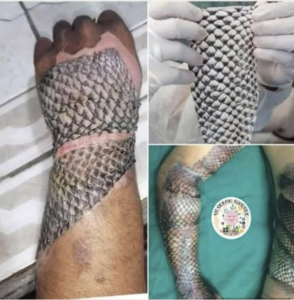
🩹 Tilapia Skin: An Innovative Alternative for Burn Recovery
In the search for better, faster, and more affordable treatments for burn injuries, an unexpected solution has emerged from the natural world: tilapia skin. Once considered waste in the fishing industry, the skin of this freshwater fish is now gaining global attention as an innovative and effective alternative for burn recovery. What began as a regional medical experiment has evolved into a promising breakthrough that could reshape burn treatment, especially in areas with limited medical resources.
This unconventional approach blends modern science with sustainable practices, offering hope to patients and healthcare systems alike.
The Global Challenge of Burn Injuries
Burn injuries remain one of the most common and devastating forms of trauma worldwide. They can result from fires, electrical accidents, chemicals, hot liquids, or prolonged sun exposure. Severe burns not only cause intense pain but also increase the risk of infection, scarring, long-term disability, and psychological trauma.
Traditional burn treatments often involve synthetic dressings, skin grafts, or donated human skin. While effective, these options can be expensive, difficult to access, and limited by availability. In many regions, especially in developing countries, the lack of resources makes proper burn care a serious challenge.
This gap in treatment options paved the way for innovative alternatives—and tilapia skin emerged as a surprising contender.
Why Tilapia Skin?
Tilapia skin possesses several biological properties that make it uniquely suited for burn treatment. One of its most important characteristics is its high concentration of collagen, a protein essential for skin strength, elasticity, and healing. Collagen plays a vital role in tissue regeneration, helping wounds close faster and reducing scarring.
Additionally, tilapia skin has a structure similar to human skin, allowing it to adhere naturally to burn wounds. This similarity helps protect exposed tissue, maintain moisture, and create an ideal environment for healing.
Rather than acting as a temporary covering alone, tilapia skin actively supports the body’s natural repair processes.
Pain Reduction and Patient Comfort
One of the most significant benefits reported with tilapia skin dressings is pain reduction. Burn injuries expose nerve endings, making even minor movements excruciating. Traditional dressings often need to be changed frequently, which can reopen wounds and intensify pain.
Tilapia skin adheres securely to the wound and remains in place for extended periods. This reduces the need for frequent dressing changes and minimizes disturbance to healing tissue. Patients have reported less pain during recovery and improved overall comfort.
For burn victims, especially children, this reduction in suffering can be life-changing.
Lower Risk of Infection
Infection is one of the most dangerous complications of burn injuries. Open wounds provide an entry point for bacteria, and compromised skin barriers make it difficult for the body to defend itself.
Tilapia skin acts as a natural protective barrier, shielding the wound from external contaminants. When properly prepared and sterilized, it helps maintain a clean healing environment. Its ability to retain moisture also prevents the wound from drying out, which can reduce cracking and bacterial invasion.
By lowering infection risk, tilapia skin contributes to safer and more predictable recovery.
Faster Healing and Reduced Scarring
Clinical observations have shown that burns treated with tilapia skin often heal more quickly than those treated with conventional dressings. The collagen-rich structure supports cell growth and tissue regeneration, encouraging the skin to repair itself efficiently.
Faster healing not only shortens hospital stays but also reduces the likelihood of deep scarring. For patients, this can mean better physical outcomes and improved self-esteem, especially when burns affect visible areas such as the face, hands, or arms.
Healing is not just about closing a wound—it’s about restoring quality of life.
Sustainability and Accessibility
One of the most compelling aspects of tilapia skin treatment is its sustainability. Tilapia is one of the most widely farmed fish in the world, and its skin is typically discarded during food processing. Repurposing this byproduct for medical use reduces waste and creates a cost-effective resource.
This makes tilapia skin particularly valuable in regions where access to advanced burn care is limited. The lower cost compared to synthetic dressings or human skin grafts allows hospitals to treat more patients without compromising care.
In a world facing rising healthcare costs, sustainable solutions like this offer a powerful alternative.
Preparation and Safety
Before being used medically, tilapia skin undergoes rigorous processing. It is cleaned, sterilized, and treated to remove any impurities while preserving its beneficial properties. This preparation ensures it is safe for use on human wounds.
Strict protocols are followed to maintain hygiene and prevent contamination. When handled properly by trained medical professionals, tilapia skin has been shown to be a safe and reliable option for burn care.
Its transformation from fish waste to medical innovation highlights the power of scientific adaptation.
Changing Perceptions in Medicine
At first, the idea of using fish skin on human wounds met resistance. Cultural perceptions and unfamiliarity made some patients hesitant. However, as results became undeniable, acceptance grew rapidly.
Healthcare providers began recognizing tilapia skin not as an experimental curiosity, but as a legitimate medical tool. Patients who experienced faster healing and reduced pain often became advocates for the treatment, helping shift public opinion.
Innovation often begins at the edge of comfort—and progress follows acceptance.
A Glimpse Into the Future
The success of tilapia skin in burn recovery opens the door to further exploration of natural materials in medicine. Researchers are now studying how similar biological resources could be used in wound care, tissue engineering, and regenerative treatments.
This approach challenges the assumption that advanced medical solutions must always be synthetic or expensive. Sometimes, the most effective answers come from rethinking what we already have.
Conclusion
Tilapia skin represents a remarkable intersection of science, sustainability, and compassion. By turning a discarded natural resource into a powerful healing tool, medical professionals have found a way to reduce pain, speed recovery, and expand access to burn care.
This innovative alternative reminds us that progress doesn’t always come from complexity—it often comes from creativity. As research continues and awareness spreads, tilapia skin may well become a symbol of how simple, natural solutions can make an extraordinary difference in human health and recovery.